




Creating a relaxing home workspace is essential for productivity and well-being, especially as many people spend more time working remotely. A calm and comfortable environment can help reduce stress, increase focus, and make working from home a more enjoyable experience. Below are practical tips to help you design a workspace that promotes relaxation and efficiency.
Choose the Right Location
Selecting the right spot for your workspace is the first step. Ideally, choose a quiet area of your home where you can focus with minimal distractions. If possible, pick a location with natural light to boost your mood and energy levels. Avoid high-traffic zones to maintain concentration and reduce interruptions.
Invest in Ergonomic Furniture
Comfort is key for a relaxing workspace. Invest in a good quality ergonomic chair and desk that support proper posture. An adjustable chair with lumbar support can prevent back pain during long hours of sitting. A desk at the right height helps prevent strain on your wrists and shoulders.
Tips for Ergonomic Setup
– Keep your feet flat on the floor or on a footrest
– Position your monitor at eye level, about an arm’s length away
– Use a keyboard and mouse that reduce wrist strain
– Take regular breaks to stretch and move around
Declutter and Organize Your Space
A cluttered workspace can cause stress and hinder productivity. Keep your desk tidy by organizing essential items such as your computer, notebooks, and stationery. Use storage solutions like drawers, shelves, or desk organizers to keep unnecessary items out of sight. A clean desk clears the mind and promotes calm.
Add Personal Touches
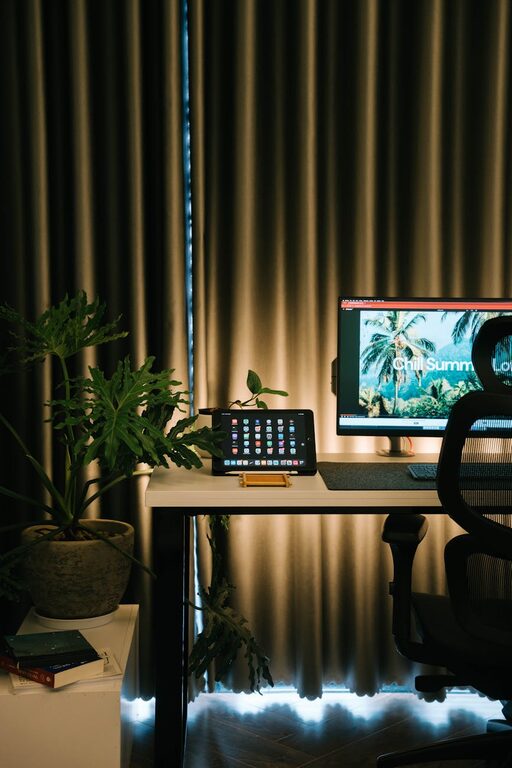
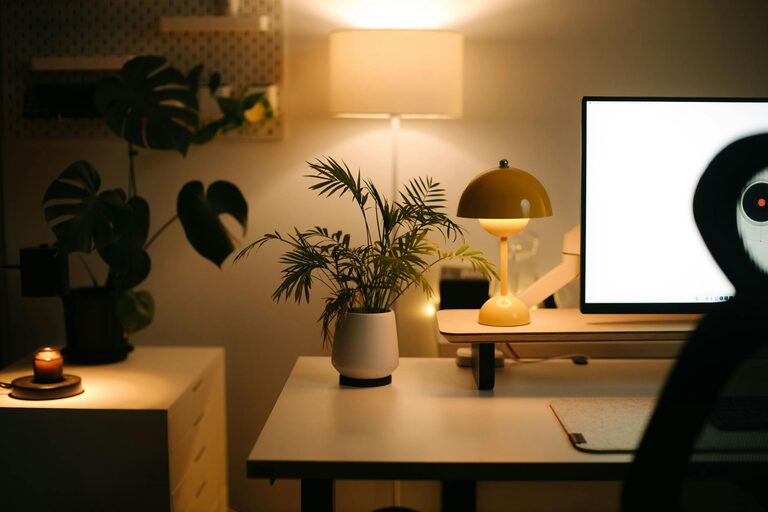
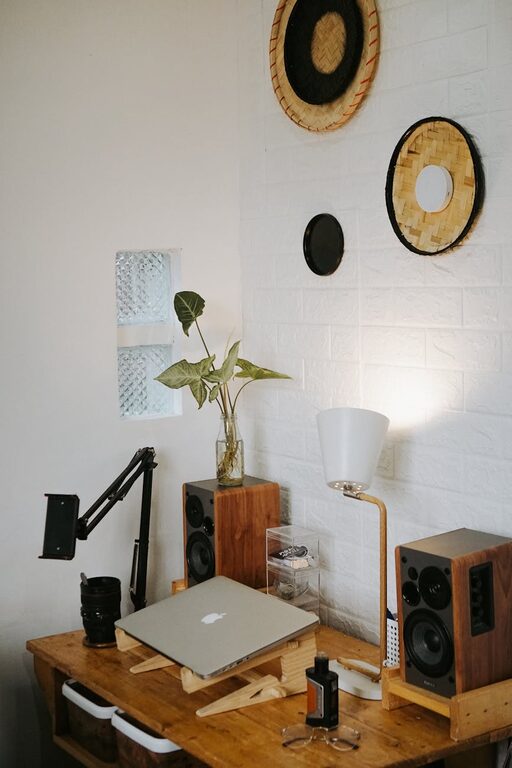
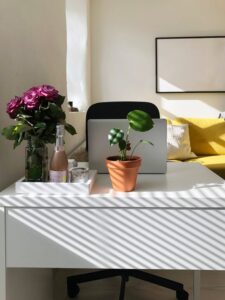
Adding personal touches to your workspace can create a welcoming and relaxing atmosphere. Consider including items that inspire and motivate you, such as artwork, photos, or plants. Greenery not only adds color but can also improve air quality and reduce stress.
Ideas for Personalization
– Small potted plants or succulents
– Framed pictures of loved ones or favorite places
– Inspirational quotes or artwork
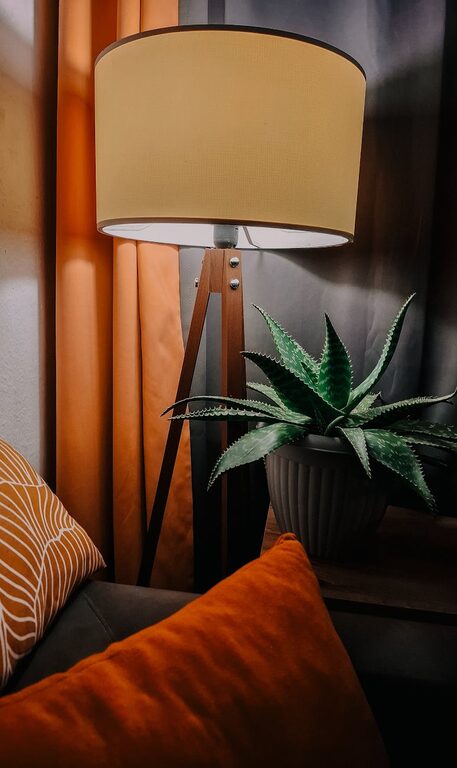
– A cozy throw blanket or cushions for seating comfort
Optimize Lighting
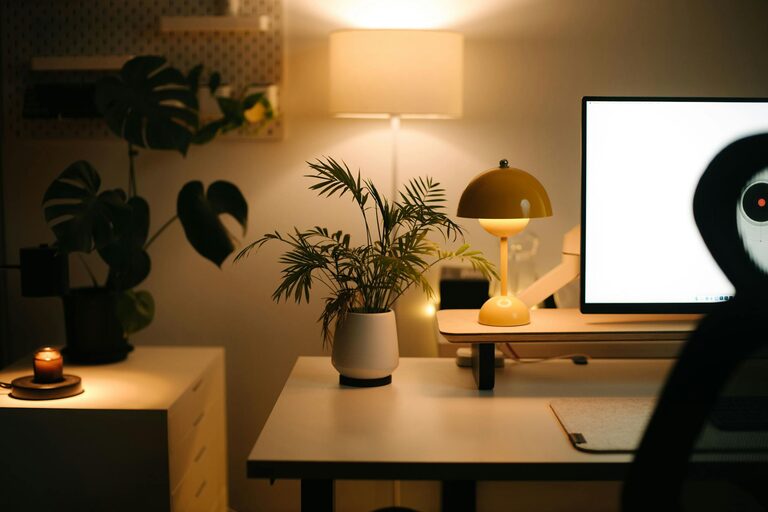
Good lighting is essential for a relaxing workspace. Natural light is ideal, so position your desk near a window if possible. For overcast days or evening work, use adjustable desk lamps with warm light hues to reduce eye strain. Avoid harsh overhead lighting that can cause glare or headaches.
Use Calming Colors
The colors around you can influence your mood. Soft, neutral tones like light blues, greens, or beige create a peaceful environment. If you prefer bolder colors, balance them with neutrals to avoid overstimulation. Consider painting an accent wall or adding colorful accessories like cushions or wall art.
Control Noise Levels
Noise distractions can disrupt concentration and increase stress. If your workspace is noisy, consider solutions to reduce sound such as:
– Noise-canceling headphones
– White noise machines or calming background music
– Thick curtains, rugs, or soft furnishings to absorb sound
– Sealing gaps on doors and windows to block outside noise
Incorporate Relaxation Breaks
Even in the best-designed workspace, it’s important to take regular breaks to relax and recharge. Use techniques like:
– Stretching or light exercise during breaks
– Deep breathing or mindfulness exercises
– Short walks outside to get fresh air and daylight
– Having a dedicated spot nearby to rest or meditate briefly
Keep Technology in Check
While technology is vital for work, too many devices or constant notifications can overwhelm you. Organize your cords and tech gadgets neatly. Turn off unnecessary notifications to minimize interruptions and focus better. Establish “tech-free” zones or times during your breaks to give your mind a rest.
Maintain Good Air Quality
Fresh air improves focus and comfort. Open windows when weather allows to circulate fresh air. If that’s not possible, consider using an air purifier. Adding plants can also enhance air quality and bring a natural element into your workspace.
Final Thoughts
Creating a relaxing home workspace is about balancing comfort, organization, and personalization. By following these tips, you can design an environment that supports your well-being and enhances your productivity. Remember that everyone’s ideal workspace varies, so feel free to adjust these suggestions to suit your style and needs. A calm, inviting workspace not only makes work easier but also helps maintain a healthy work-life balance when working from home.