





Creating a home workspace that feels both relaxing and productive can greatly improve your work-from-home experience. When your work area is comfortable and inviting, you’re more likely to stay motivated and focused throughout the day. Whether you have a dedicated room or just a small corner, there are easy steps you can take to make your workspace both practical and peaceful.
Why a Relaxing Workspace Matters
A workspace that feels stressful or cluttered can cause distractions, fatigue, and decreased productivity. On the other hand, a calming environment helps reduce stress and allows you to concentrate better. Comfort also plays a role in your physical health, reducing strain on your body from long hours of work.
By prioritizing relaxation and functionality, you create a space where productivity naturally follows.
Choose the Right Location
Start by selecting a spot in your home that suits your work style:
– Natural Light: Working near a window brings in daylight, which can boost mood and energy.
– Quiet Area: Pick a place away from household noise and interruptions.
– Space to Move: Ensure there is enough room to stretch or change posture during breaks.
If a dedicated room is not possible, even a corner in a quieter part of your home can be transformed into a peaceful workspace.
Invest in Comfortable Furniture
Comfortable and ergonomic furniture is essential for a relaxing workspace:
– Ergonomic Chair: Choose a chair that supports your back and encourages good posture.
– Adjustable Desk: Standing desks or adjustable desks help you alternate between sitting and standing, reducing fatigue.
– Keyboard and Screen Placement: Position your keyboard, mouse, and monitor to prevent strain on your wrists and neck.
Comfortable furniture reduces physical discomfort, allowing you to focus on your tasks.
Keep Your Space Organized
Clutter can contribute to stress and reduce productivity. Keep your workspace tidy by:
– Using Storage Solutions: Shelves, drawers, and organizers keep supplies within reach but out of sight.
– Minimal Decor: Use only a few items that inspire you without overwhelming the space.
– Regular Cleaning: Make a habit of clearing your desk at the end of each day.
An organized space creates a clearer mind and helps you stay on track.
Incorporate Calming Colors and Decor
Colors can influence your mood and creativity. For a relaxing workspace:
– Choose Soft Colors: Light blues, greens, and neutrals promote calmness.
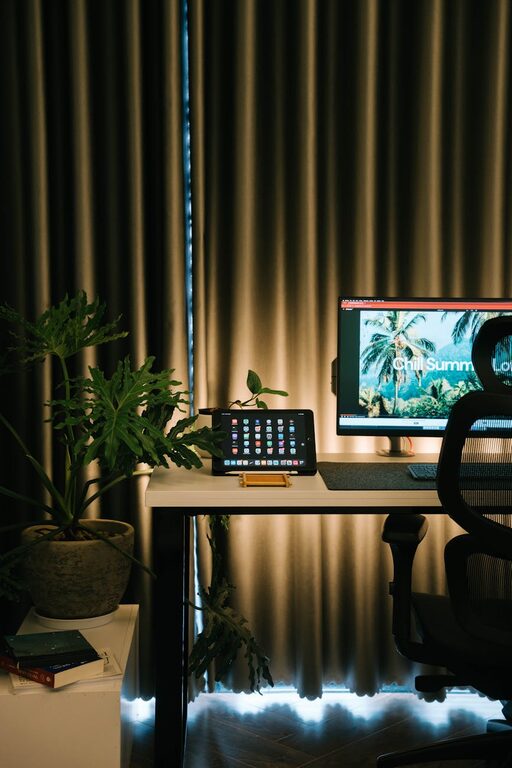
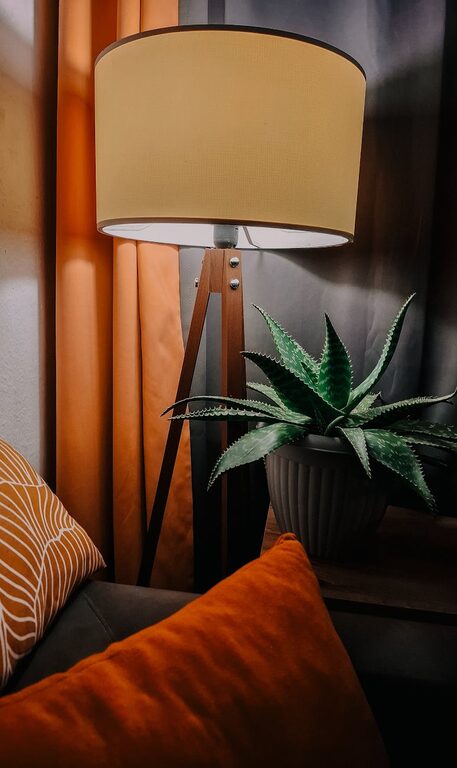
– Add Plants: Indoor plants not only improve air quality but also add a touch of nature.
– Personal Touches: Include photos or art that bring you joy but avoid clutter.
Simple, thoughtful décor fosters a soothing atmosphere that encourages focus.
Control Lighting and Reduce Glare
Proper lighting reduces eye strain and enhances comfort:
– Natural Light: Take advantage of sunlight whenever possible.
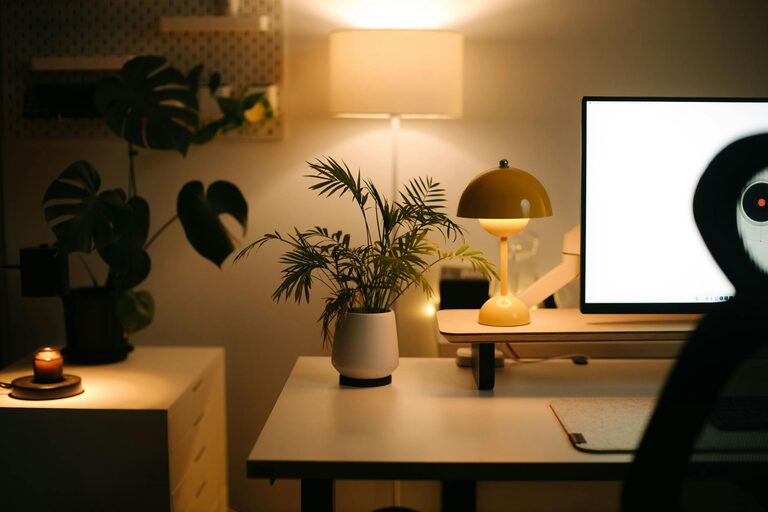
– Task Lighting: Use a desk lamp with adjustable brightness for focused work.
– Avoid Glare: Position screens to prevent glare from windows or lights.
Good lighting balances brightness and comfort, reducing headaches and fatigue.
Manage Sound for Focus and Calm
Sound can either help or hinder your concentration:
– Noise-Canceling Headphones: These can block distractions when needed.
– Background Music: Soft instrumental music or nature sounds can improve mood.
– Soundproofing: Adding rugs or curtains helps reduce echo and noise.
Find the right sound environment that keeps you calm and attentive.
Take Regular Breaks and Move Around
A relaxing workspace supports your well-being by encouraging breaks:
– Set Reminders: Use timers to remind yourself to stretch or walk every hour.
– Create a Relaxation Spot: Have a comfy chair nearby for brief rest periods.
– Practice Deep Breathing: Taking a few deep breaths during breaks supports relaxation.
Moving and relaxing throughout the day keeps your body and mind refreshed.
Use Technology Mindfully
Technology can be both a help and a hindrance:
– Declutter Your Desktop: Only keep necessary software open.
– Use Productivity Tools: Task managers or timers can help organize your workflow.
– Limit Notifications: Turn off non-urgent alerts to reduce interruptions.
Mindful technology use helps maintain your focus and calm.
Final Thoughts
Designing a home workspace that feels relaxing and productive boils down to comfort, organization, and atmosphere. With some simple changes, you can create a space that supports your focus and well-being all day long. Remember, a thoughtful environment helps your best work come naturally.
By following these tips, your home workspace will become a place where productivity and peace go hand in hand.